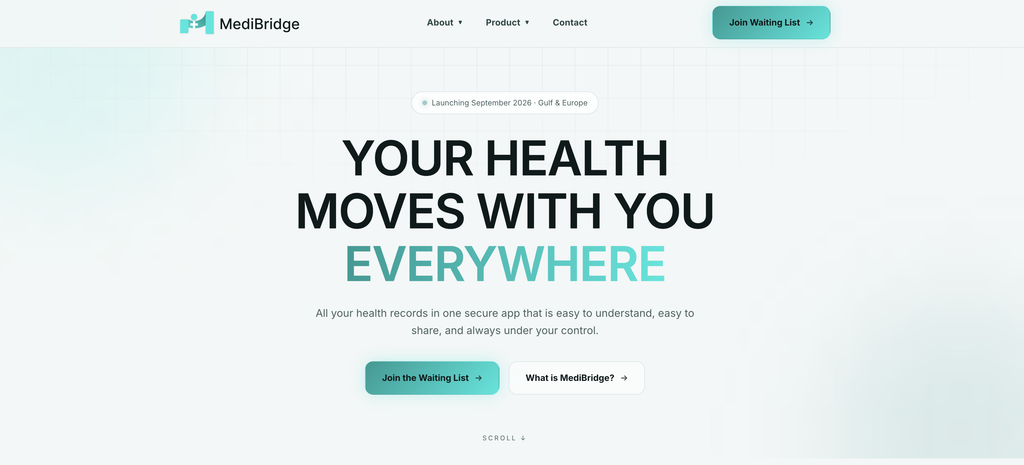
Healthcare is becoming more connected, and digital tools are making it easier for providers and patients to manage health information. But with so many options available, choosing the right patient health record can feel overwhelming. The best choice should fit your needs, protect sensitive information, and make healthcare tasks simpler.
Whether you run a clinic, manage a healthcare organization, or want to improve patient services, knowing what to look for can help you make a confident decision.
What Is a Digital Health Platform?
A digital health platform is a technology solution that brings different healthcare services and tools together in one place. Depending on the platform, it may support electronic health records, virtual consultations, patient communication, appointment scheduling, remote monitoring, billing, and health data management.
The main goal is to make healthcare more connected and efficient. Instead of using several separate systems, healthcare teams can manage important tasks through a central platform.
What Should You Look for in a Digital Health Platform?
Not every platform offers the same features. Before choosing one, consider how it will support your daily healthcare needs.
1. Easy-to-Use Features
A good platform should be simple for both healthcare professionals and patients. Complicated software can slow down work and discourage people from using it.
Look for a clean interface, easy navigation, simple appointment tools, and clear dashboards. If possible, request a demonstration before making a final decision. This lets your team see how the platform works in real situations.
2. Strong Security and Privacy
Healthcare platforms handle sensitive information, so security should be a top priority. Patient records, medical information, and personal details need strong protection.
Check whether the provider uses data encryption, secure authentication, access controls, regular security updates, and appropriate privacy measures. You should also understand where data is stored and who can access it.
3. Integration With Existing Systems
A new healthcare solution should work well with the systems you already use. Poor integration can create duplicate work and make information harder to manage.
Ask whether the digital health platform can connect with electronic health records, billing systems, laboratory tools, pharmacy systems, wearable devices, or other healthcare applications relevant to your organization.
4. Scalability for Future Growth
Your healthcare needs may change over time. A platform that works for a small practice today may need to support more patients, staff, locations, or services in the future.
Choose a solution that can grow with your organization. Check whether you can add users, features, integrations, and services without replacing the entire system.
How Do You Compare Different Platforms?
Once you have identified your needs, create a simple comparison list. Consider features, pricing, security, integrations, customer support, and ease of use.
Consider Total Cost, Not Just the Price
A low monthly price does not always mean lower overall costs. Check for setup fees, training costs, integration charges, maintenance fees, and additional user costs.
Think about the value the platform provides rather than choosing based only on its advertised price.
Check Customer Support
Reliable support can make a major difference when technical problems occur. Find out what support channels are available and when they are offered.
It can also help to read customer reviews and ask other healthcare professionals about their experiences with the provider.
Why Is Choosing the Right Platform Important?
The right platform can improve workflow, reduce manual tasks, strengthen communication, and create a better experience for patients and healthcare teams.
For example, easier access to information can help professionals make informed decisions, while online appointment and communication tools can make healthcare more convenient for patients.
However, technology should support people rather than make their work harder. That is why usability, reliability, and security are just as important as the number of features offered.
Conclusion
Choosing the right digital health platform requires more than comparing feature lists. You need to consider your current needs, security requirements, existing systems, budget, future growth, and the experience of both staff and patients.
Start by identifying your most important healthcare challenges, then compare platforms based on practical value. A solution that is secure, easy to use, flexible, and well-supported can become a valuable part of modern healthcare delivery. Taking time to choose carefully can help your organization gain long-term benefits from its digital investment.